Top 15 Ways the Legacy of Tolkien Has Been Hijacked (And Fans are Outraged)
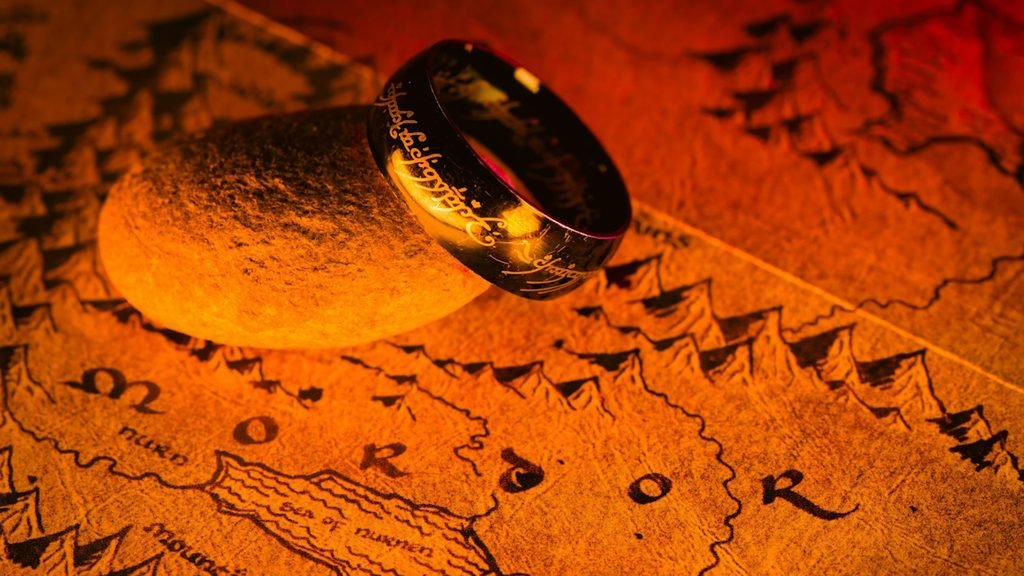
Not many writers have influenced the contemporary narrative as J.R.R. Tolkien did. His novels, particularly The Lord of the Rings and The Hobbit, were not mere stories; they were mythologies based on language, morality, and tradition that were highly polished and superlatively furnished by the Master himself. However, were Tolkien still alive to see what is being done to his legacy today, there are a great many things that his fans feel he might have had serious issues with. Read on and learn about the reasons why the current state of his legacy might have led Tolkien to be outraged and probably spinning in his grave, right here.
Lore is Receiving Optional Treatment
Tolkien was dedicated to maintaining the internal consistency of his works. He developed complete languages and kinship trees and chronologies, all carefully woven into the tapestry of his awesome lore. Contemporary versions tend to view canon as optional, not compulsory, and it has made a great number of fans intensely furious.
Overemphasis on Commercialization.
Tolkien was a passionate writer and an academic lover of myth. His world today is commonly being sold as a content machine, streamlined to push numbers instead of telling stories.
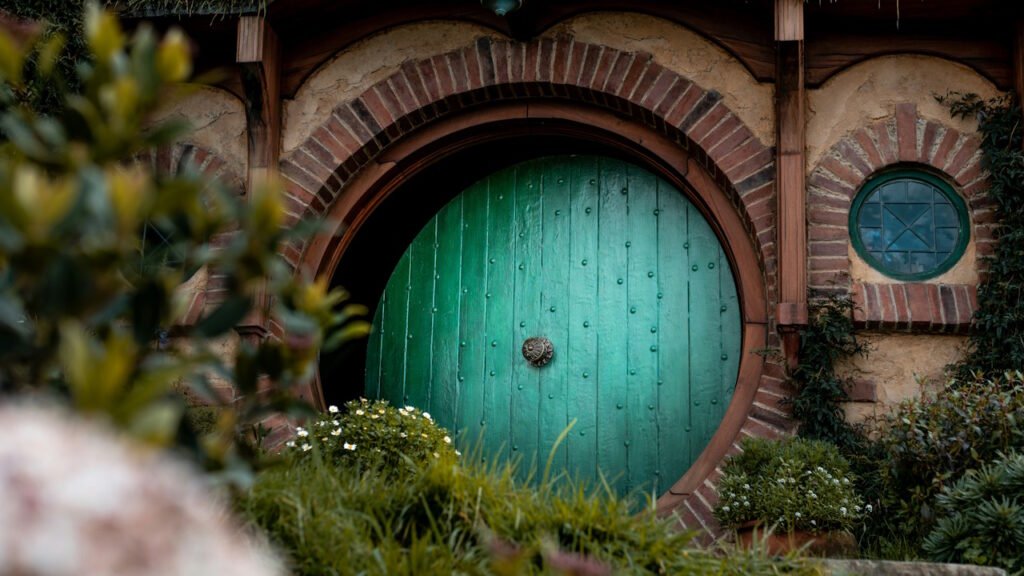
The Emergence of Fanfiction-Level Writing
Critics complain that current interpretations have lost the Tolkien feel and seem to be more loosely inspired fanfiction; they lack the philosophical and linguistic richness that Tolkien brought to his stories.
Lack of Awareness on Central Themes.
Central to his work, Tolkien was able to address the theme of humility, sacrifice, and corruption of power. A lot of contemporary adaptations give spectacle more precedence over meaning, and it has greatly affected the overall quality of the content being spewed out today (looking at The Rings of Power here).
The Power of Amazon-Style Content Production
Megabudgets such as The Rings of Power promote scale and image, but at the cost of richness of narrative and authenticity, a sentiment shared by numerous fans and critics alike. Perhaps no other form of media has hurt Tolkien’s unique brand of storytelling as much as the abysmal and egregious debacle that is Amazon’s Rings of Power, a show that would be better off being canceled than shuffling onwards like a zombie wearing Middle-Earth’s skin.

Lack of Moral Subtlety
The world of Tolkien had good and evil, but still there were characters who were torn between good and evil. These complexities are flattened in some of the contemporary depictions. But if there was one character that was explicitly, unrepentantly, and unapologetically evil, then that was Sauron, a character that the modern adaptations (Rings of Power) have reduced to an anxious, melancholic, ambivalent pretty boy who simps for Galadriel. This shows just how little the modern writers care or know about Tolkien and his works.
Disregard for Tolkien’s Personal Intentions
Tolkien was also famous, even notorious, for being protective of his work and was highly skeptical and critical when it came to the question of adaptations (Link 5). Purists associated with his works are usually left furious when they see the blatant and utter disregard that modern adaptations hold for his documented preferences and proclivities in these regards.
Character Changes that Break Canon
To change the characters or add new ones without basing them on the logic of Tolkien’s mythos may be a shock to the longtime readers. For instance, just look at what they did to Galadriel, turning the epitome of female grace, elegance, and beauty into an insufferable “Girl Boss” who has “seen” what you haven’t seen.
Loss of Linguistic Depth
Tolkien was a philologist initially. His languages, such as Quenya and Sindarin, were the key to his narratives (Link 7, 8, 9). This richness is seldom brought out in modern adaptations, where modern slang and inane statements sometimes take center stage.
Streamlining to Mass Appeal
Tolkien was confident that readers would work with complicated concepts. Modern adaptations have a tendency to streamline the plots and dialogue in order to appeal to larger audiences. They treat the audience as infantile characters that need to be spoon-fed the entire narrative. It somehow robs the entire experience of its novelty, excitement, and energy.
Modern ideologies Being Forced into Ancient Myth
The ancient mythologies and the Catholic worldview inspired Tolkien in his work (Link 11). Trying to impose modern designs on his world may be inappropriate unless done with caution, a restraint that most modern “auteurs” and “writers” palpably lack.
Excessive Growth of a Limited World.
Tolkien did not want Middle-earth to be a franchise that is to be extended indefinitely. By no means is Middle-earth that diminutive of a realm, but it was meant to tell a story confined within its specific timeframe and lore-based constraints. Extending that material into long sequences runs the danger of being watered down and losing its original magic and appeal.
The “Spectacle First” Problem
Modern versions are filled with epic battles and CGI, whereas some of the most effective scenes in Tolkien were often quiet, introspective, and emotional. Peter Jackson managed to pull it off quite well, but the same can’t be said for the modern works. It is as they say; they are evolving, just backward.
Franchise Mentality over Mythology
Tolkien has invented not a movie universe but a legendarium. The focus on Middle-earth as a franchise runs the risk of losing the purity, magic, and mythical value that this world holds.
Divided Fanbase
Probably the greatest tragedy: Tolkien’s legacy has become one that, instead of stimulating solidarity, has created a divide among the fan base. The controversies surrounding adaptations tend to eliminate the appreciation of the original works. With the abatement of this appreciation, the original works are in danger of being forgotten. New enthusiasts aren’t exactly rushing to pick up and peruse through Tolkien’s works because of the disastrous repercussions that modern adaptations have wrought.

Final Thoughts
Tolkien did not simply create stories but a world to be lived in. It was a world that was destined to be eternal. Although adaptations introduce new audiences to Middle-earth, they have the burden of respecting what made it unique, a burden that they have mostly relinquished and aren’t showing any concern or reverence for. This deliberate neglect for the source material has entailed increasingly pernicious ramifications for Middle-earth and Tolkien’s legacy in general.